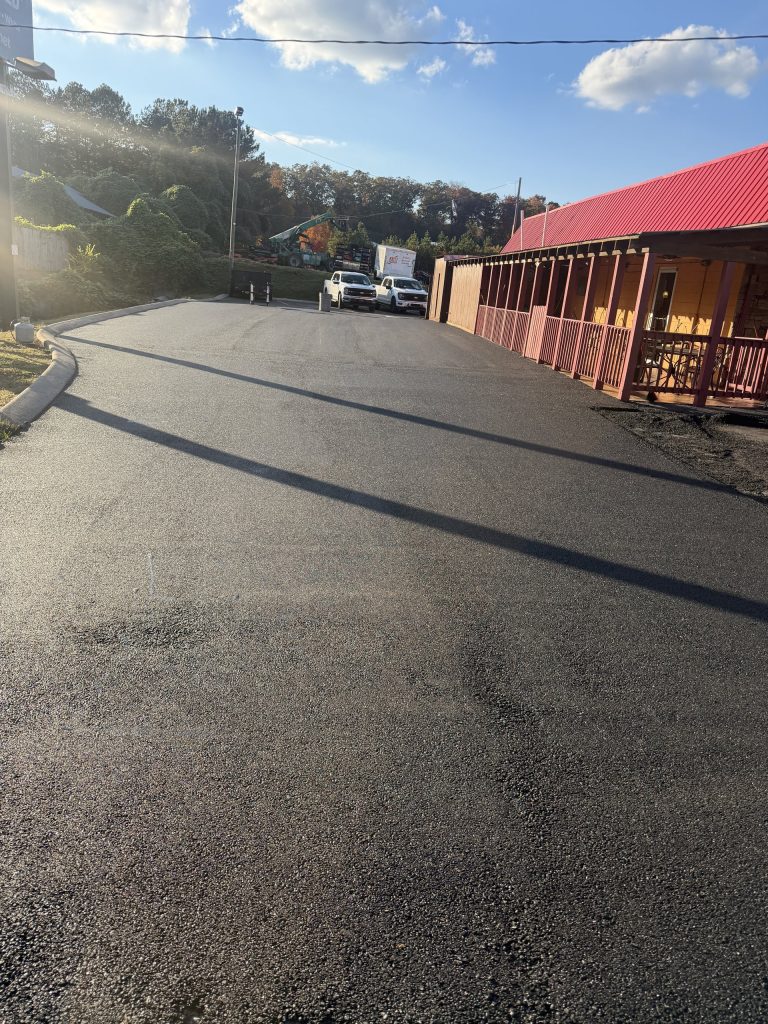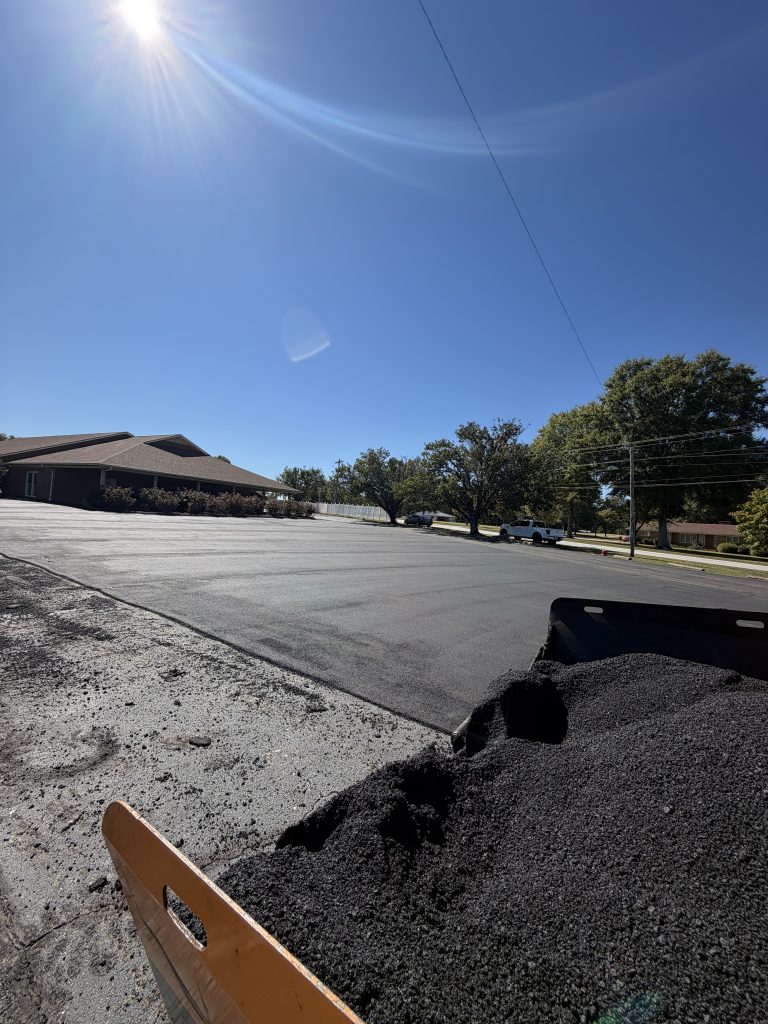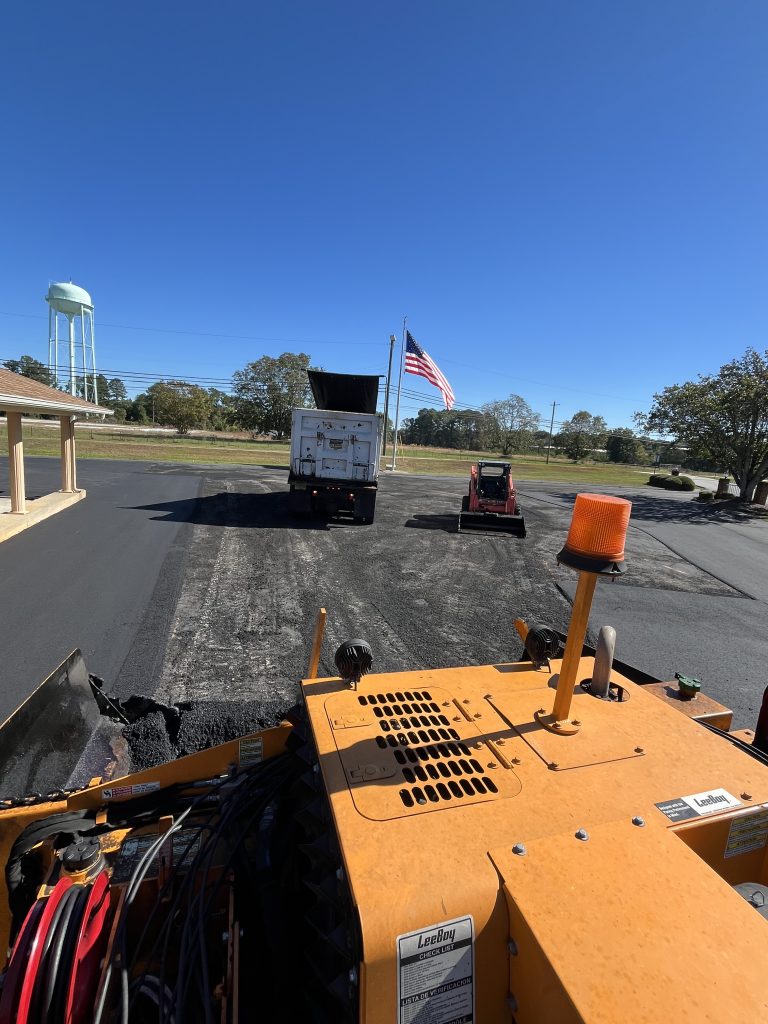
If you’re considering asphalt resurfacing in Athens, GA, your driveway or parking lot is probably faded, rough, or cracked on top but still feels solid underfoot. That’s when resurfacing works. A new layer of asphalt goes over the old pavement, and you get a smooth, dark surface without tearing out a base that’s still doing its job.
Resurfacing is also called an overlay. Before we quote one, we check the base under your pavement, because a new layer only lasts when the ground below it is sound. IB Paving is a locally owned company based in Athens, and we resurface driveways and parking lots across Northeast Georgia.
Why Choose IB Paving for Asphalt Resurfacing
- Clear Advice on Fit: Not every worn surface should get an overlay. We tell you which kind you have and why.
- Clean Transitions: We mill along curbs and garage floors so the new surface meets them at the right height.
- 30+ Years of Experience: Our owner has been paving for more than 30 years and has seen overlays hold up and seen them fail. The difference is almost always the base, so that’s what we check first.
- Locally Owned and Operated: You talk with the same local team before and after the job.
Is Your Pavement Ready for Asphalt Resurfacing
Your pavement is ready for resurfacing if:
- Faded and Rough: The surface is gray and grainy, but it still feels firm underfoot.
- Surface Cracks: Thin cracks stay near the top and don’t form a web pattern.
- Solid Base: There are no soft spots or areas that sink when you drive over them.
It needs more than resurfacing if:
- Alligator Cracking: A web of connected cracks means the base is failing, and those cracks will come right back up through a new layer.
- Soft or Sunken Areas: These need base repair before any new layer goes on.
- Standing Water: Drainage problems need fixing first, or the overlay will fail the same way.
If the damage is limited to a few spots on otherwise good pavement, those areas get asphalt repair before the new layer goes on.
What Asphalt Resurfacing Involves
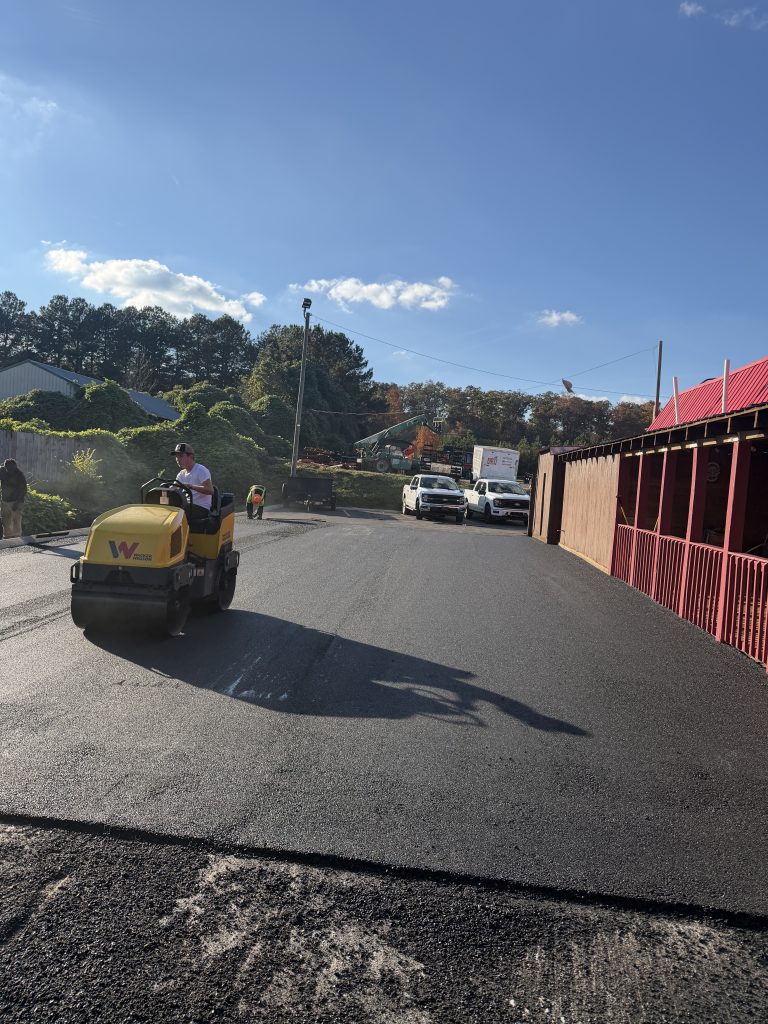
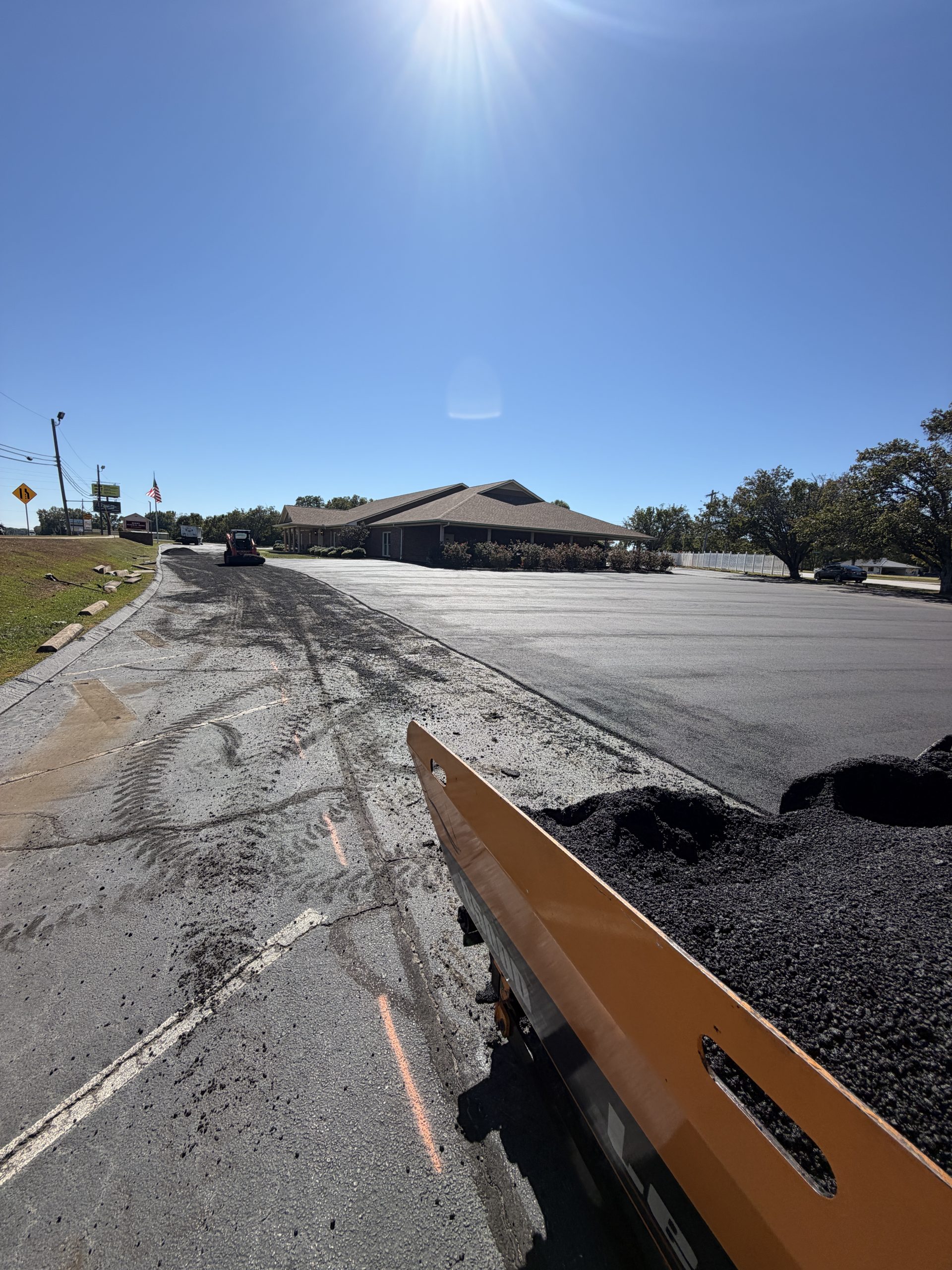
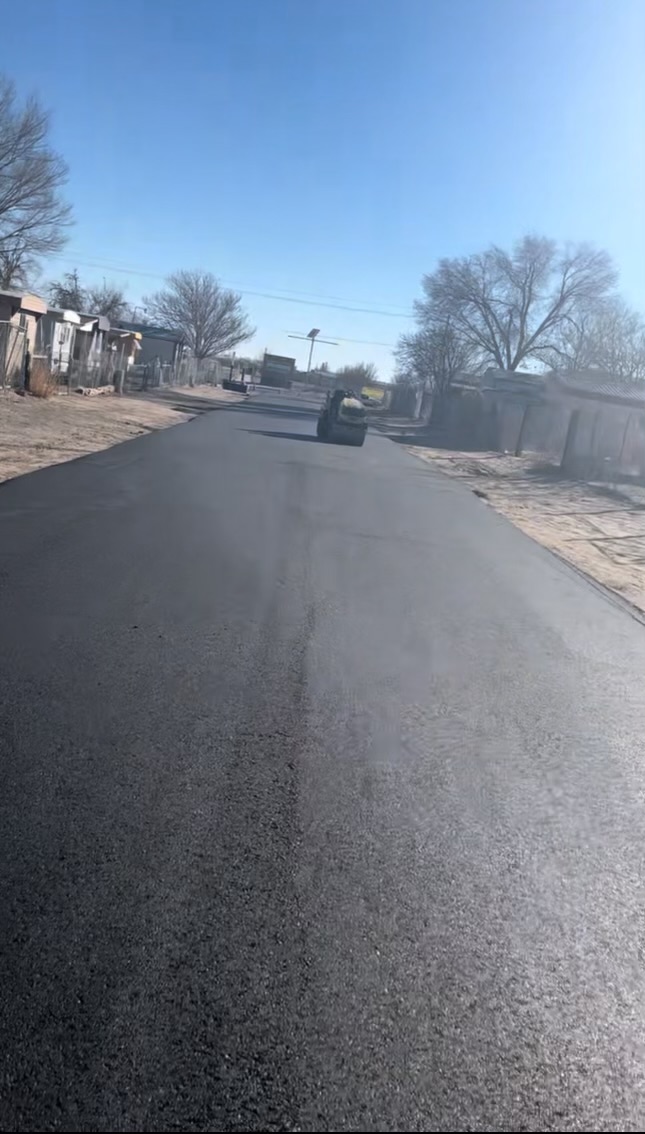
An overlay is a new layer of hot asphalt placed over your existing pavement. We clean the old surface, repair weak spots, and seal cracks first. Then we spray a tack coat, a thin layer of liquid asphalt that bonds the new layer to the old. Without a good bond, the layers can slip apart under traffic.
The edges need extra care. A new layer adds height, so at curbs, drains, and doorways, we grind away some of the old asphalt first. Asphalt milling keeps those heights in line so water still drains.
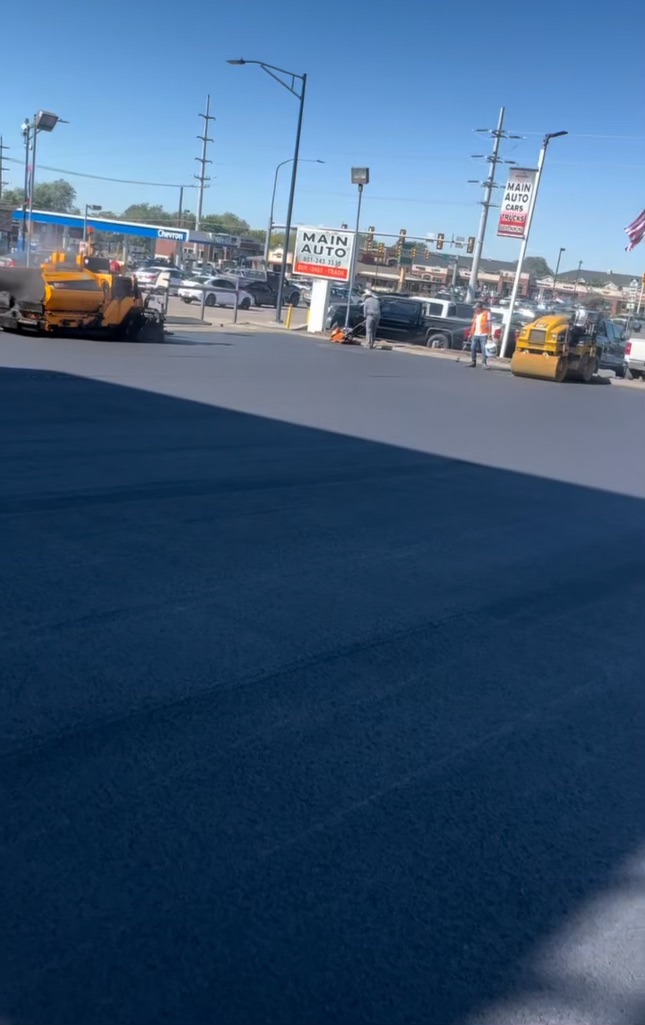
Driveways and lots both benefit from a well-timed overlay. A homeowner gets a drive that looks close to new, and a business gets a lot that feels fresh to customers.
Overlay or Full Replacement
A full replacement means digging out the old asphalt and base. It takes longer and keeps your driveway or lot out of use for more days. An overlay keeps the sound base you already have and adds a new top.
The choice comes down to the base. When it’s firm, we recommend the overlay. When it’s failing, we’ll show you the soft spots and explain why a rebuild, like new parking lot paving, is the better plan. Either way, you’ll see the problem areas for yourself before you decide.
How We Handle Your Overlay
- Inspect: We check the surface and the base for soft spots and drainage problems.
- Repair: We patch failed areas and seal cracks.
- Mill Edges: We grind along curbs and transitions where height matters.
- Clean and Tack: We sweep the surface and spray a bonding coat.
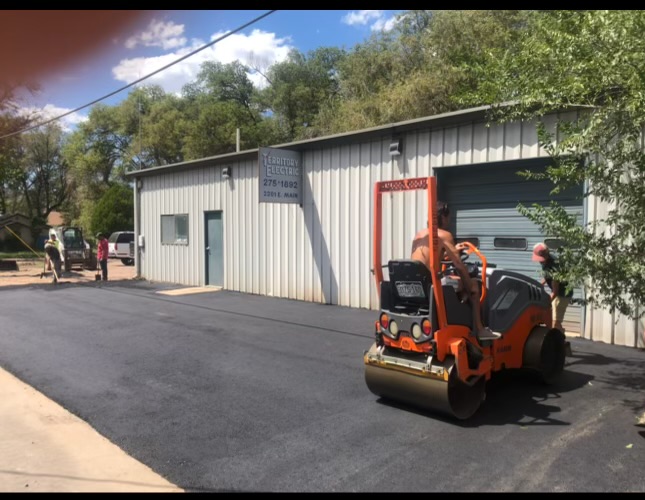
- Pave: We lay new hot asphalt and roll it smooth.
- Walk-Through: We check the edges and drainage with you.
Asphalt Resurfacing FAQ
What’s the difference between resurfacing and an overlay?
There isn’t one. Both terms mean a new asphalt layer placed over existing pavement.
How long does an overlay last?
A good overlay on a sound base can last for years. How long depends on the base under it and the traffic on top. Regular sealing helps it last longer. Cracks in the old pavement can also work their way up through a new layer over time, which is why we seal them before we pave.
Can you resurface my driveway?
Yes. Homeowners with a worn drive can ask about an overlay during a driveway paving estimate.
How long until I can use the surface?
Cars can use it within a day or two. Heavy trucks should wait longer while the asphalt hardens.
Can you resurface just part of a lot?
Yes. We can overlay the worst drive lanes now and the rest of the lot later.
Will resurfacing raise my pavement?
Yes, it adds height. That’s why we mill near garage floors and curbs, so the new surface stays flush where it meets them.
Ready to Get Started?
Call 706-710-4222 or fill out the form for a free, no-obligation estimate.